AES and ChaCha20 keys with correct IV/nonces via Web Crypto, Hex, Base64 and JWK formats, verification and bulk export
The Axvoid Tools Blog
Practical, source-backed guides on email deliverability, list hygiene, campaign testing and tracking — each one connected to a free tool you can use right now.
 Email Authentication & Deliverability
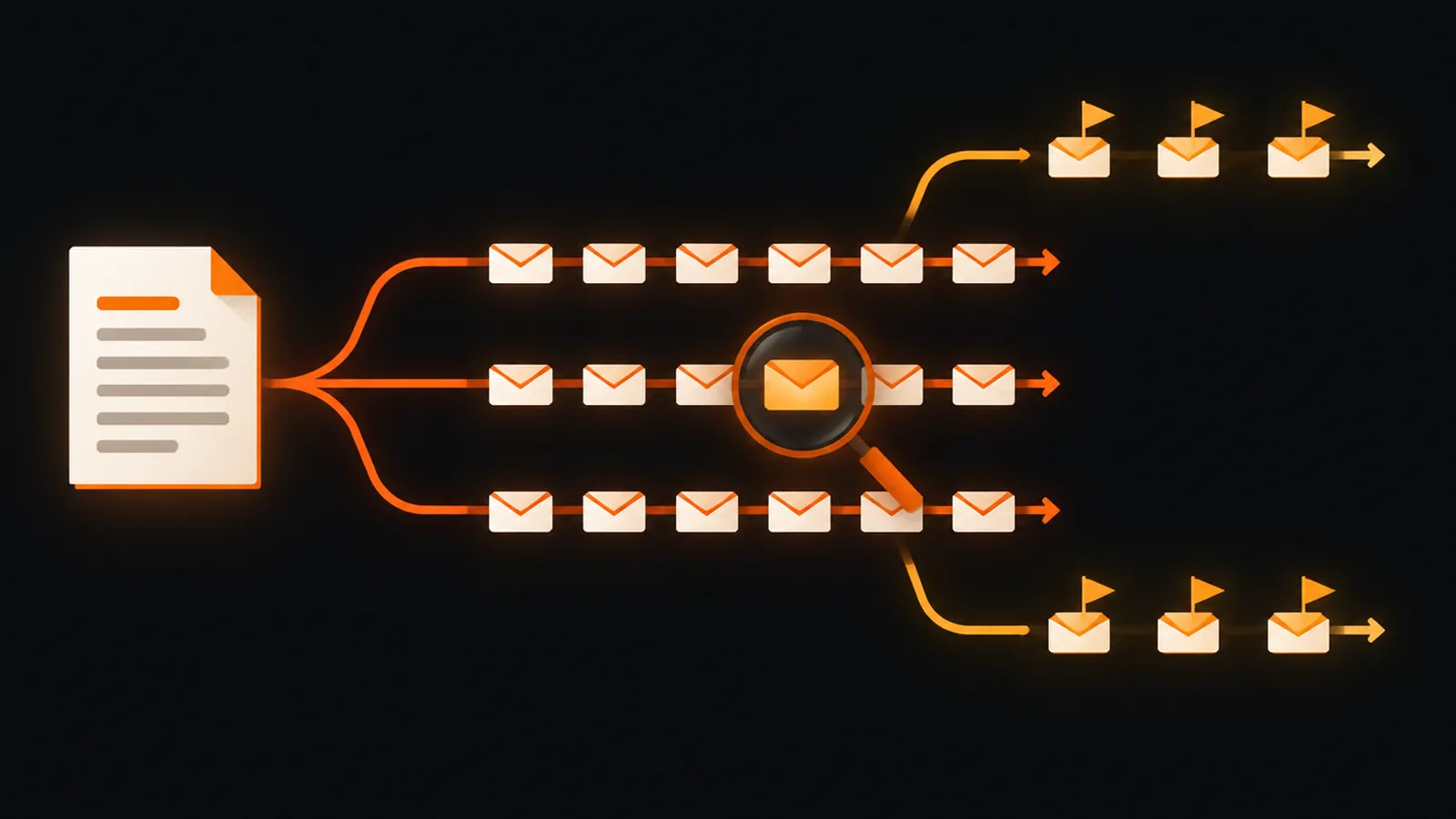
How to Read DMARC Aggregate Reports (rua): From Raw XML to a Decision
Read a DMARC aggregate report without a paid tool: what each XML field means, how to find unknown senders, and a worked example you can reproduce.
8 min read Campaign Content & Optimization
Email Spam Trigger Words: Do They Still Matter for Deliverability?
Which spam trigger words really hurt deliverability today? How spam filters work, which phrases to avoid in subject lines and how to rewrite them.
7 min read Campaign Content & Optimization
How to Warm Up a New Email Domain: A Day-by-Day Volume Schedule You Can Defend
Warm up a new email domain with a sourced schedule: start near 50 messages, double daily, watch the 0.10% spam line, and know when to pause the ramp.
7 min read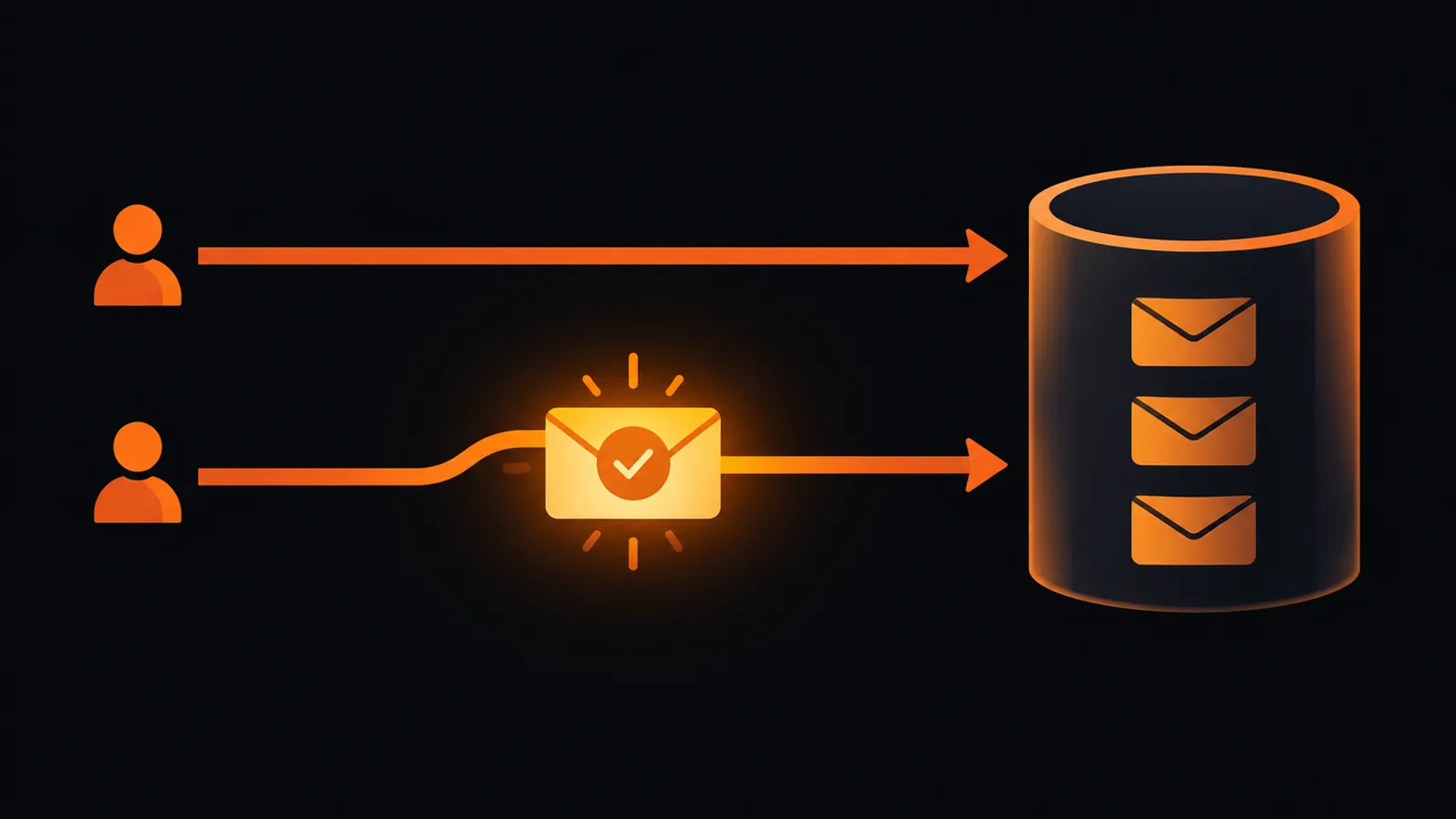 List Hygiene & Validation
Double Opt-In vs Single Opt-In: Which One Fits Your Email List?
Double opt-in vs single opt-in compared on consent proof, bad addresses, complaints and list growth, with a break-even formula to test both on your own numbers.
8 min read List Hygiene & Validation
How to Remove Duplicate Emails From a CSV Without Losing Real Contacts
Remove duplicate emails from a CSV by matching on a normalized key: trim, lowercase, and apply Gmail dot and plus rules only where they hold. Worked example.
9 min read Everyday Utilities
SMS Character Limit Explained: GSM-7 vs Unicode and How Segments Are Counted
One SMS holds 160 GSM-7 characters or 70 Unicode characters, and split messages hold 153 or 67 each. See which characters flip the encoding and how to count.
7 min read Campaign Content & Optimization
Gmail Postmaster Tools Setup: How to Verify Your Domain and Read Every Dashboard
Add and verify your domain in Gmail Postmaster Tools, then read spam rate, reputation, authentication and delivery errors, and see why data is missing.
6 min read List Hygiene & Validation
SMTP 550 5.1.1 Bounce Code: What It Means and How to Fix It
550 5.1.1 means the recipient mailbox does not exist. Learn how to read the code, tell it from 5.1.2, 5.2.2 and 5.7.1, and clean your list correctly.
5 min read Measurement & Testing
UTM Parameters for Email Campaigns: A Naming Convention That Keeps Your Data Clean
UTM parameters for email campaigns: what each does in GA4, a consistent naming convention with examples and the mistakes that corrupt reports.
5 min read Email Authentication & Deliverability
SPF Record for Google Workspace, SendGrid and Other Providers: How to Combine Them Safely
How to write one SPF record for several email providers: syntax, include examples, the 10-lookup limit and a safe rollout from ~all to -all.
7 min read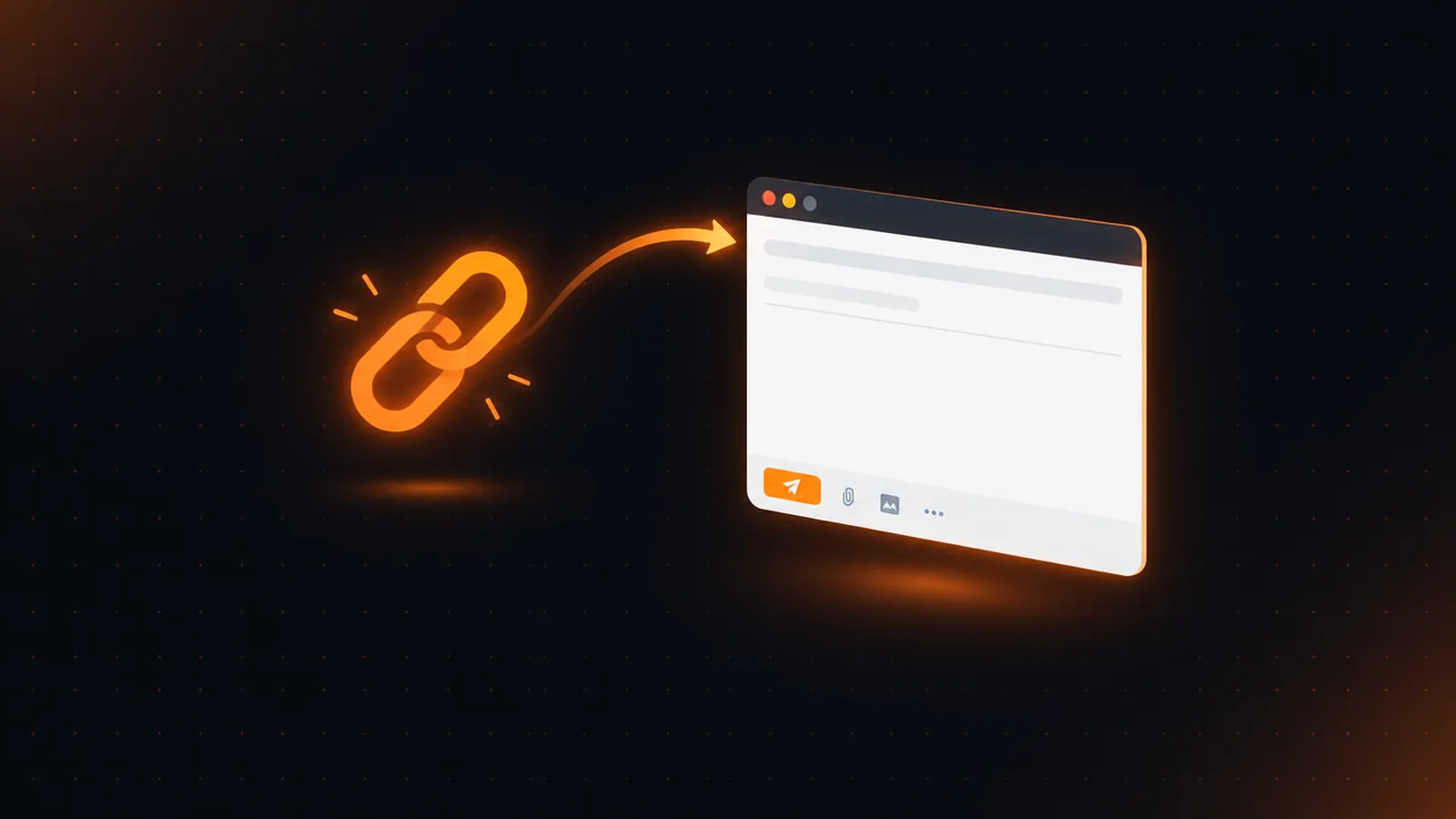 Everyday Utilities
How to Create a mailto Link With Subject, Body, CC and BCC
Build a working mailto link: exact syntax, percent-encoding for spaces and line breaks, multiple recipients, HTML examples and common fixes.
6 min read Email Authentication & Deliverability
List-Unsubscribe Header: How to Set Up One-Click Unsubscribe the Right Way
Set up the List-Unsubscribe and List-Unsubscribe-Post headers: RFC 8058 syntax, endpoint rules, DKIM signing, testing and Gmail and Yahoo requirements.
8 min read