في سبتمبر 2021 أطلقت Apple مع iOS 15 وiPadOS 15 وmacOS Monterey ميزة Mail Privacy Protection في تطبيق Mail. غيّرت الميزة معنى «الفتح» في تقارير البريد، وهذا يؤثر على قرارات كثيرة.
ماذا تفعل؟
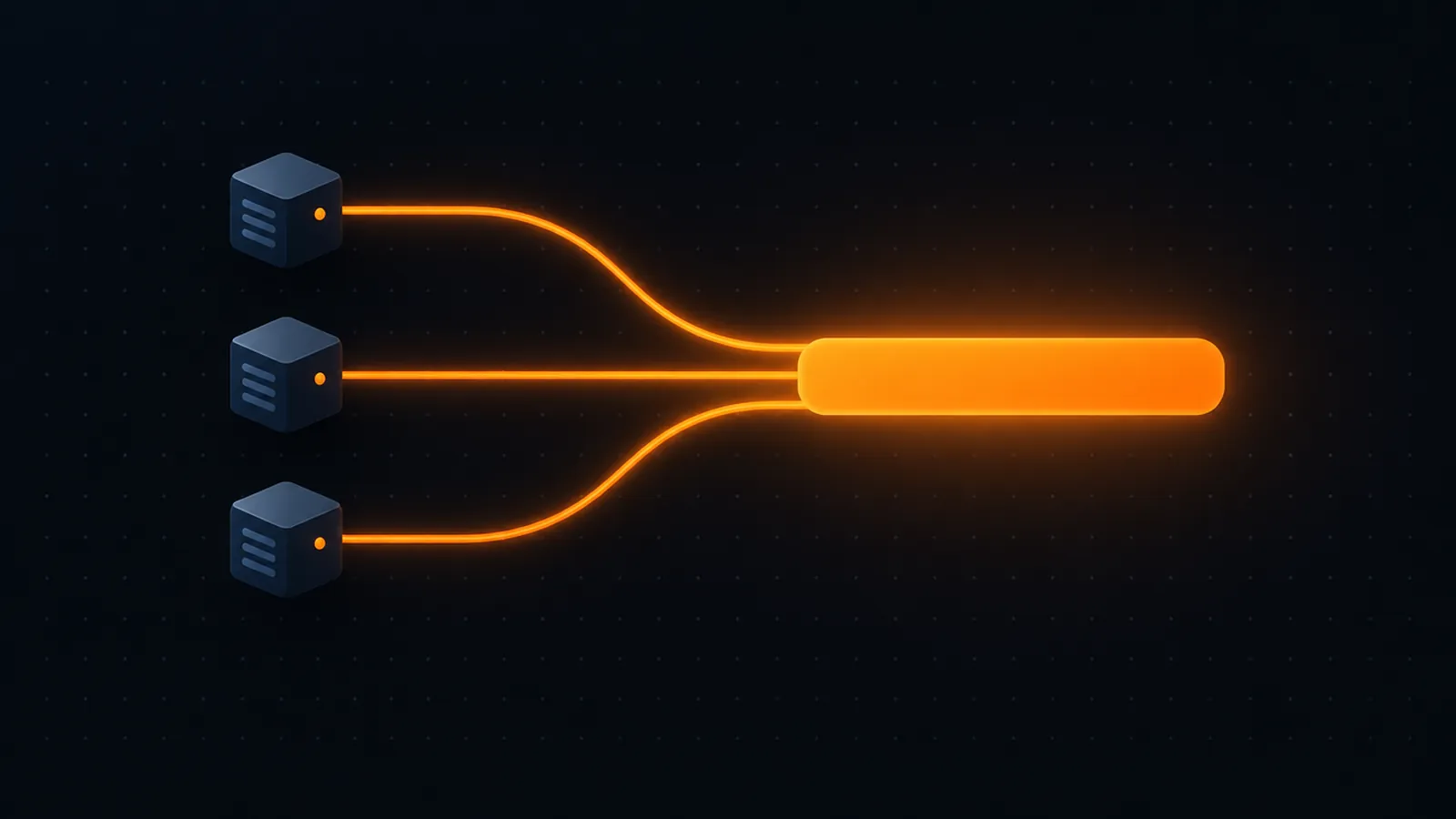
لمن فعّل الميزة، يحمّل تطبيق Mail محتوى الرسائل الخارجي (ومنه بكسل التتبع) مسبقًا عبر خوادم Apple، سواء فتح المستلم الرسالة أم لا، ويُخفي عنوان IP الحقيقي. نتيجة ذلك:
- تظهر في التقارير «فتحات» لرسائل لم تُقرأ، فتتضخم نسبة الفتح.
- لا يمكن الوثوق بوقت الفتح ولا بالموقع التقريبي المشتق من IP ولا بنوع الجهاز.
- لا يتأثر النقر على الروابط، ولا التحويل داخل موقعك.
ما الذي لم يتغيّر؟
الميزة تخصّ تطبيق Mail من Apple لمن فعّلها؛ مستخدمو Gmail وOutlook وغيرهم لا يتأثرون بها. وتختلف حصة Apple بين الجماهير، فلا يوجد رقم يصحّ للجميع.
كيف تعدّل ممارساتك
- اعتمد النقر والتحويل مقياسين أساسيين، وعامل الفتح مؤشرًا تقريبيًا.
- لا تبنِ استبعاد غير المتفاعلين على الفتح وحده: قد تبدو كل جهة Apple «متفاعلة». ادمج النقر والنشاط على الموقع.
- اختبارات A/B لسطر الموضوع بالفتح مضلِّلة عند جمهور فيه حصة Apple كبيرة؛ اختبر بالنقر أو التحويل. انظر دليل A/B.
- أعد التفكير في «أفضل وقت إرسال» المبني على وقت الفتح.
- لا تعتمد على الفتح لتشغيل أتمتة حساسة (مثل «أرسل متابعة لمن لم يفتح»).
- اطلب التفاعل الصريح: رابط تفضيلات أو سؤال يستدعي رد المستلم.
هل أتخلّى عن تتبّع الفتح؟
ليس بالضرورة؛ ما زال مفيدًا اتجاهًا عامًا ومقارنة بين حملاتك المتشابهة، لكن لا تقارن نسبه بأرقام قديمة قبل 2021 ولا بعتبات «معيارية» مأخوذة منها.
طبّق ذلك
احسب نسب النقر والتحويل مع نطاق الثقة بـحاسبة مقاييس البريد، وقارن نسختين بـحاسبة اختبار A/B.
In September 2021 Apple introduced Mail Privacy Protection in the Mail app with iOS 15, iPadOS 15 and macOS Monterey. It changed what an “open” means in email reports, which affects many decisions.
What does it do?
For users who enable it, the Mail app preloads a message's external content (including the tracking pixel) through Apple's servers whether or not the recipient opens the message, and hides the real IP address. As a result:
- Reports show “opens” for messages that were never read, inflating the open rate.
- Open time, the approximate location derived from IP, and device type cannot be trusted.
- Link clicks are not affected, nor are conversions on your site.
What did not change?
The feature concerns Apple's Mail app for those who enable it; Gmail, Outlook and other users are not affected. Apple's share varies between audiences, so there is no number that holds for everyone.
How to adjust your practice
- Treat clicks and conversions as primary metrics and the open as a rough indicator.
- Do not suppress “inactive” contacts on opens alone: every Apple address may look “engaged”. Combine clicks and on-site activity.
- Subject-line A/B tests judged by opens are misleading for audiences with a large Apple share; test by clicks or conversions. See the A/B guide.
- Rethink “best send time” derived from open time.
- Do not trigger sensitive automation on opens (such as “send a follow-up to non-openers”).
- Ask for explicit engagement: a preferences link or a question that invites a reply.
Should I abandon open tracking?
Not necessarily; it is still useful as a general trend and for comparing your similar campaigns, but do not compare its rates with pre-2021 figures or the “benchmark” thresholds derived from them.
Put it into practice
Compute click and conversion rates with confidence intervals using the Email Metrics Calculator, and compare two versions with the A/B Test Calculator.